

It is often said that a weapon has multiple lives, and consequently, that the past can resurface. The purpose of this article is to bring an object from the past back to light and to share photographs of a French weapon found in Kabul with firearms enthusiasts and historians.
Historical Background of This Weapon
It is impossible for me to recount the complete history of this weapon from the moment it left the factory until its arrival in Kabul. However, I will offer my modest contribution here and provide historians with access to this weapon through the photos below. It is up to them to deduce what they wish based on their knowledge of the manufacturer’s history, the specific weapon model, and the analysis of the various serial numbers.
If an enlightened specialist has data on this weapon or its production series (factory release date, assigned regiment, etc.), I would be delighted to pass on this information by expanding this article or via a new one.
The National Gendarmerie was deployed to Afghanistan as a force tasked with training and mentoring the Afghan National Police. I do not know under what exact circumstances a ceremonial or traditional weapon was purchased by or given to the Gendarmerie. However, a Lebel Model 1886 rifle happened to be hanging in the corridors of the Gendarmerie headquarters in Kabul. It is not impossible that this weapon was purchased from a shop in the Afghan market at the international Camp Warehouse in Kabul. Below are three photos from the only shop selling this type of product in 2012.
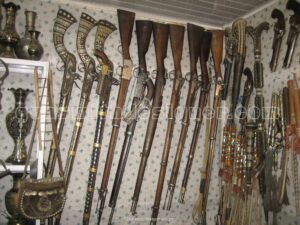
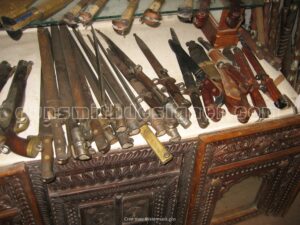
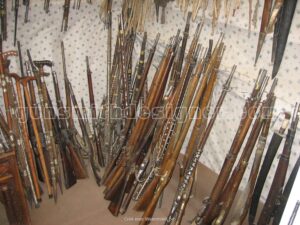
You may have noticed another Lebel 1886 on the wall in the first photo.
Below, you will find photos of the one from the Gendarmerie command in Kabul.
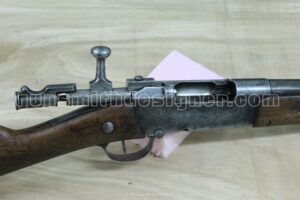
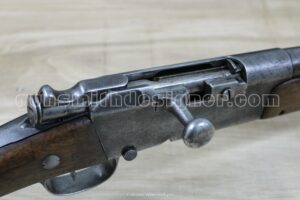
The receiver and action
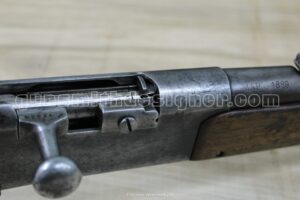
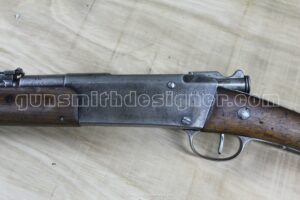
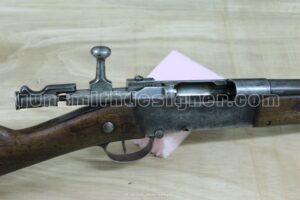
We saw in a previous article on the Model 1892 revolver the high quality of French manufacturing from this era. Here again, it is very easy to notice. We are far removed from modern manufacturing where everything is optimized, highly simplified parts are made by computer-controlled machines, and wood is replaced by molded plastic. We are in a different world here, where parts move from operation to operation, from the hands of one specialist to another.
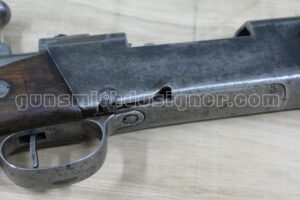
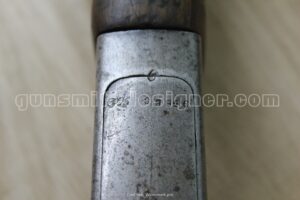
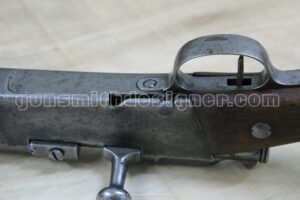
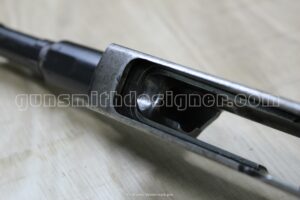
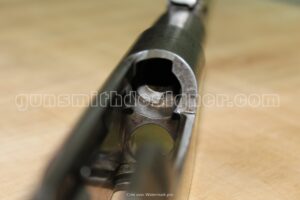
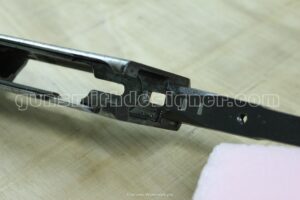
Likely stemming from the influence of American firearms on the Old Continent, the Lebel 1886 is fed via a tubular magazine located under the barrel. Without realizing it at the time, the choices made then belonged to a passing era. Shortly after, the Mauser rifle would appear with its internal staggered-column box magazine, followed later by the Lee-Enfield rifle and its detachable staggered-column magazine. The French and British rifles used rimmed ammunition, while the Germans used rimless (grooved) ammunition. The future standard would be rimless ammunition.
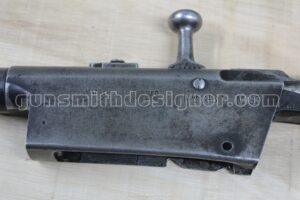
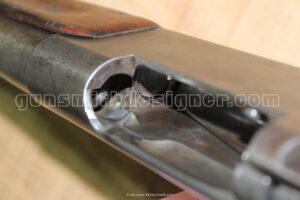
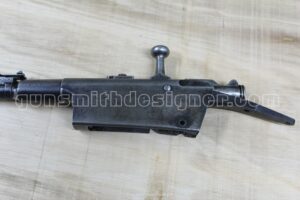
The choice of this heavily tapered, rimmed cartridge would lock French small arms design of this period into a certain traditionalism until the 1940s. It is no easy task to modify a Lebel mechanism to adapt it to rimless ammunition. And why bother anyway, since its feeding principle was already obsolete?
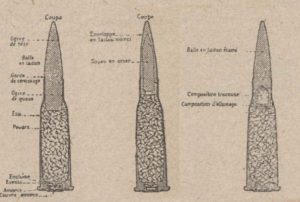
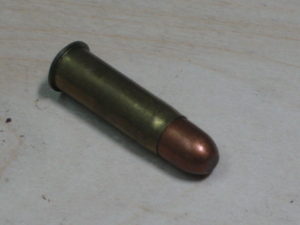
View of the components of the 8mm Lebel ammunition.
A modified version would later accept the 7.5mm x 54mm cartridge.
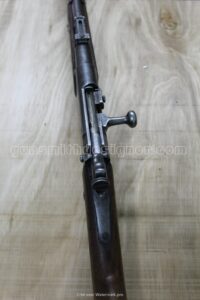
The bolt
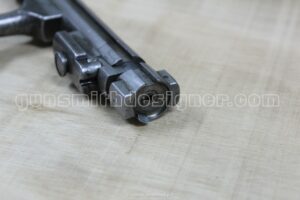
The shape of the bolt is very close to that of the Chassepot and the Gras. There is a clear family resemblance, a distinct lineage connecting the three parts. Was this a deliberate choice to reuse existing production tooling, to limit the training required for soldiers and factory workers, or simply resistance to change? This heritage would be carried over again to the Berthier rifle.
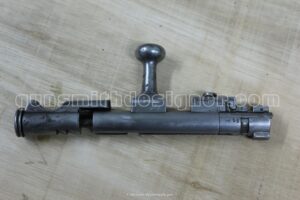
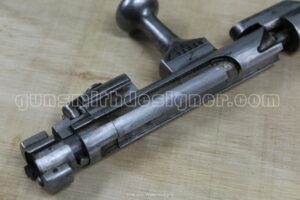
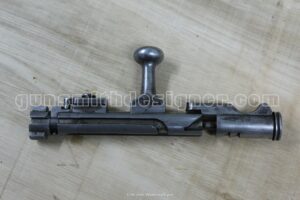
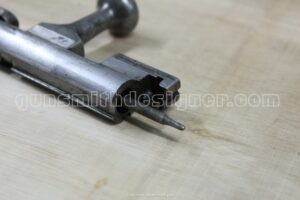
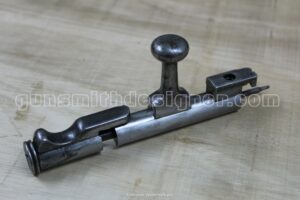
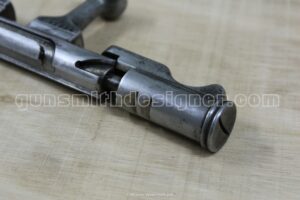
In a future article, currently being written, we will look at the lineages that exist throughout the history of French firearms between various models. This link does not only apply to long guns.
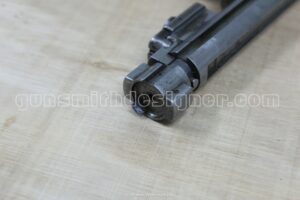
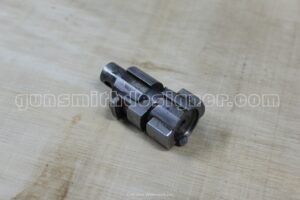
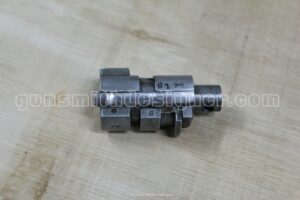
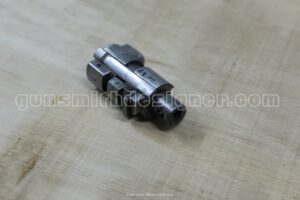
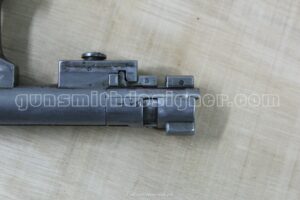
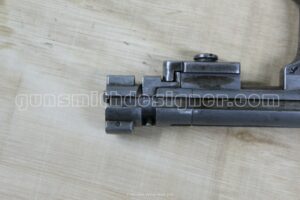
The lock and trigger guard
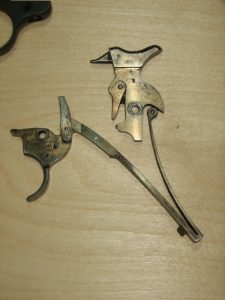
The trigger and feeding mechanism is complete and in perfect condition. There is no trace of oxidation.
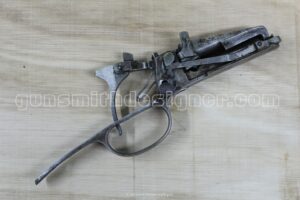
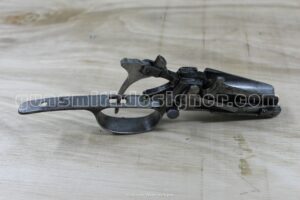
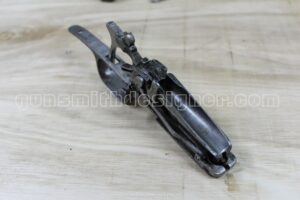
Here again, it cannot be said that the engineers cut corners on their research and resources. This mechanism is complex—more so, in my opinion, than the American firearms that inspired it.
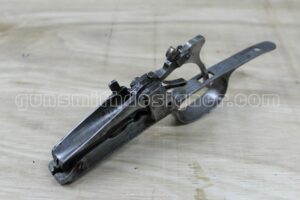
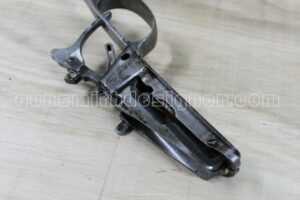
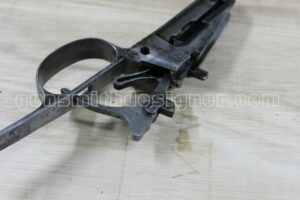
I cannot look at this assembly without asking myself this question: How did this complexity perform in the mud of the trenches of the First World War, in the sand of North Africa, or under the harsh conditions of the tropical forests of Asia and Central Africa? How can one imagine everything functioning properly with soil residue thrown up by bombardments or from dropping to the ground and crawling? How do you actually clean a mechanism like this? It is a true enigma.
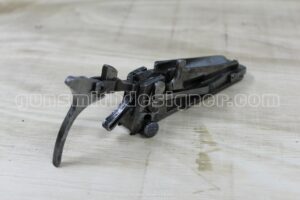
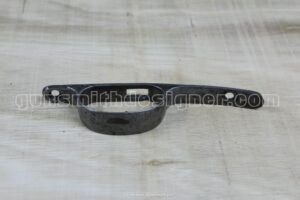
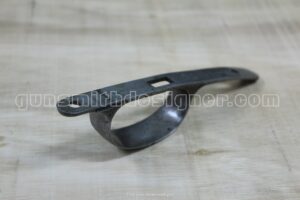
What was the frequency of inspections by regimental armorers under the constraints mentioned above? Was the soldier authorized to separate the trigger mechanism from the receiver to properly clean and grease the parts? Not everyone is dexterous with their hands. How much time was dedicated to training the soldiers?
The Sights
The rear sight is made of steel. It is in beautiful condition.
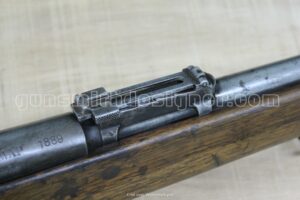
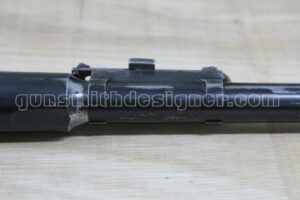
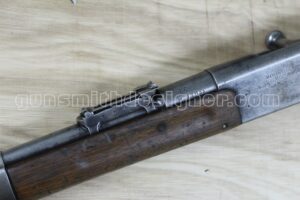
The front sight is also made of steel, mounted via a dovetail slot onto the barrel. The bayonet lug can also be seen.
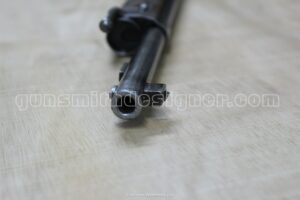
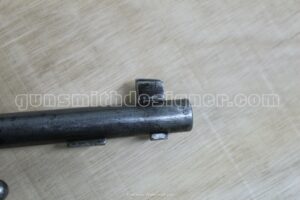
The stock
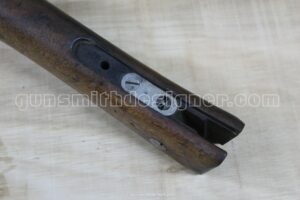
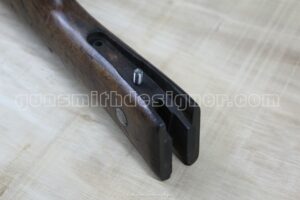
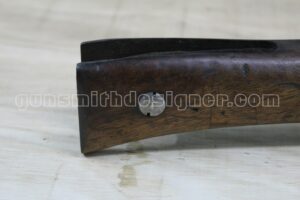
The stock is in two pieces. This might seem surprising, but it was an innovation that was criticized at the time. Some detractors felt it was more fragile, arguing that the stock would break more easily under heavy stress.
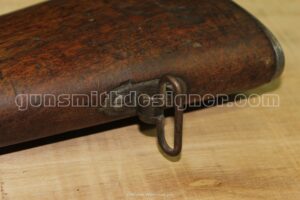
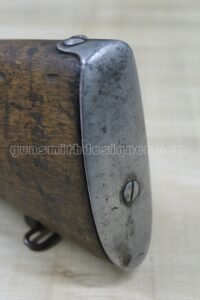
The wood is very sound. It is neither cracked nor rotted.
The Handguard
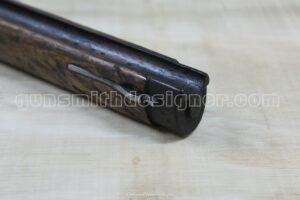
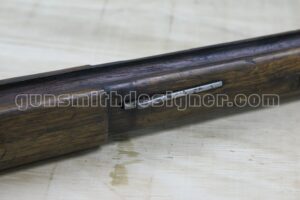
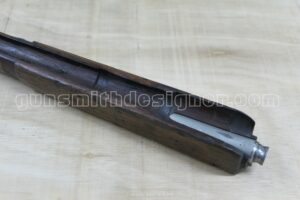
The forend is made of walnut. It is crafted from a single piece of wood.
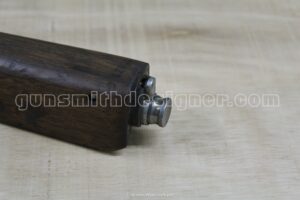
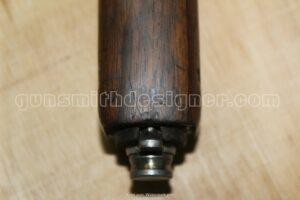
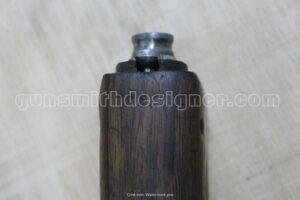
The markings
One marking strikes me, as it does not seem original. The last three digits of the 1889 date do not appear to share the same typography and are, in my opinion, much sharper. Furthermore, the sharp edge of the barrel created by the reduction of the external diameter seems a bit worn down. Have the last three numbers been filed down and restamped ?
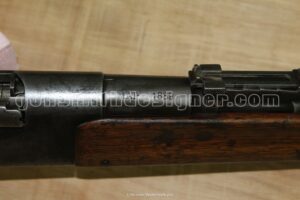
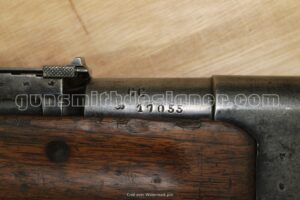
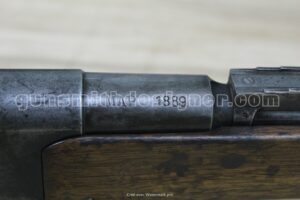
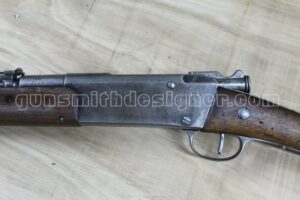
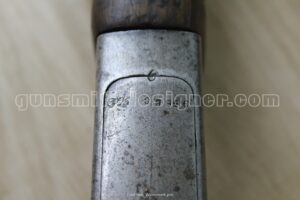
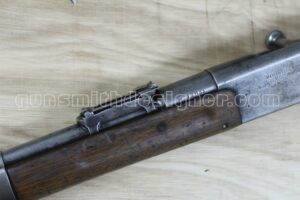
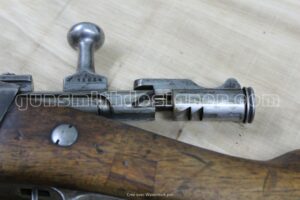
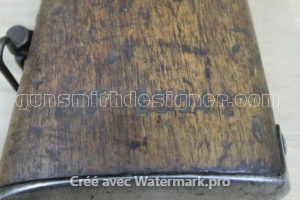
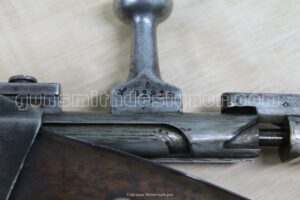
Once again, if an enlightened enthusiast has information on the subject—for example, by comparing the serial number and the manufacturer with this 1889 date—I am interested and would gladly publish the results. I would not be surprised if it is not the correct date.
Conclusion
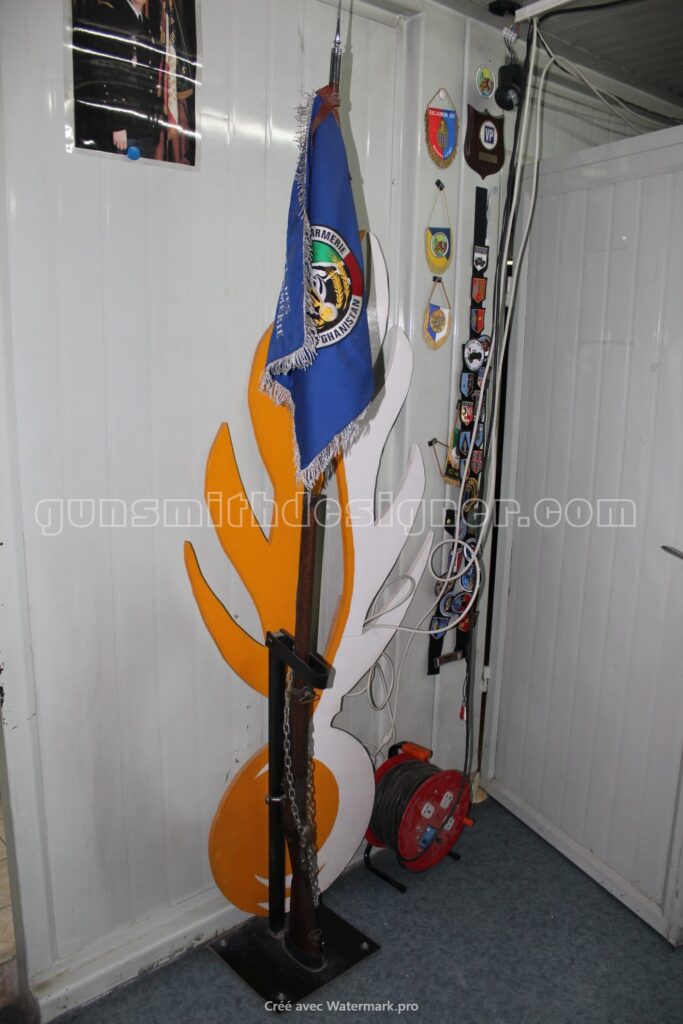
The Lebel 1886 on its display stand in the corridors of COMGEND Kabul (year 2012).
It is particularly interesting to see the state of preservation of this weapon. Unfortunately, I was unable to check the headspace, which would have been useful to determine the level of internal wear. Since it is not certain that the bolt is the original matching one, this check would have been inconclusive but would have provided additional data.